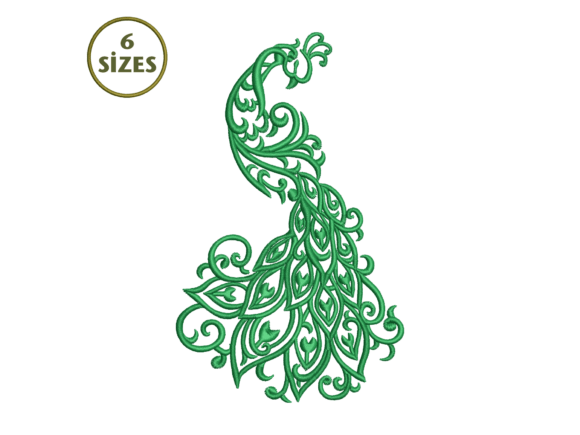
Arabic Calligraphy Peacock Embroidery
In the world of small business merch, every stitch tells a story. As an experienced embroidery designer who has reviewed thousands of files for everything from boutique labels to corporate uniforms, I recently had the opportunity to evaluate a design titled Arabic Calligraphy Peacock Embroidery. The description promises "regal elegance" and a "sophisticated file" featuring a stylized profile view. But does this design hold up when moved from a digital screen to the needle of a machine? Can it survive the rigors of daily wear on a café apron or a customer's tote bag? This review breaks down the practical application of this design for brands looking to elevate their visual identity.
The First Impression: Regal Elegance Meets Commercial Viability
When you first look at Arabic Calligraphy Peacock Embroidery, the immediate feeling is one of sophistication. Unlike generic floral patterns or simple silhouettes, the combination of Arabic script elements with the iconic peacock profile suggests a brand that values heritage, artistry, and premium quality. For a small business owner, this aesthetic is powerful. It signals that the product inside the packaging or worn by the staff is not mass-produced but curated with care.
The "stylized, profile view" mentioned in the description is a crucial detail. In my experience, stylized designs often translate better to embroidery than hyper-realistic ones because they rely on clean lines and distinct shapes rather than minute details that can get lost in stitching. However, the term "meticulously" implies a high level of complexity. While this adds value, it also demands careful consideration regarding where this design will be applied. It feels professional, elegant, and slightly ornate, making it perfect for businesses that want to stand out as artisanal or high-end.
Real-World Application: From Patches to Product Labels
The true test of any embroidery file is its performance in real-world scenarios. Let's imagine a local coffee shop or a handmade jewelry brand wanting to launch branded merchandise. How does Arabic Calligraphy Peacock Embroidery fit into their ecosystem?
- Embroidered Patches: This design shines as a standalone patch. The profile view allows for a strong silhouette that works well on denim jackets, canvas backpacks, or leather bags. It serves as a focal point that customers immediately recognize as part of the brand.
- Staff Uniforms and Aprons: For a boutique or a creative studio, placing this design on the chest of a work shirt or the bib of an apron adds a touch of class. It transforms a standard uniform into a branded asset that exudes confidence and attention to detail.
- Caps and Headwear: A stylized peacock fits beautifully on the front panel of a structured cap. The curve of the design follows the natural contour of the head, creating a dynamic look that is both modern and timeless.
- Tote Bag Designs: For Etsy sellers and crafters, a large-scale version of this design on a tote bag is a marketing goldmine. Every time a customer carries the bag through the city, they are advertising the brand's commitment to beauty and quality.
- Product Packaging Accents: Beyond apparel, this design can be embroidered onto product tags or small fabric swatches attached to finished goods. It elevates the unboxing experience, turning a simple purchase into a memorable event.
Strategic Considerations: Where to Exercise Caution
While the potential is high, a seasoned designer knows that success lies in knowing the limitations. Arabic Calligraphy Peacock Embroidery requires specific conditions to maintain its integrity. There are several areas where this design should be used carefully to avoid costly production errors.
Small Patch Sizes: If you plan to use this as a tiny label on a garment hem or a miniature badge, proceed with caution. The intricate nature of "Arabic Calligraphy" combined with the detailed feathers of a peacock may suffer from thread breakage or loss of definition if scaled down too far. Always check the minimum recommended size before finalizing your order.
Curved Surfaces and Cap Fronts: While caps are great, the curvature can distort complex line work. Ensure that the digitization accounts for the tension required to wrap around a curved surface without puckering the fabric.
High Stitch Density and Dark Fabrics: If the design features heavy fill stitches to create texture, using it on dark uniforms might require a significant underlay to prevent the base fabric from showing through. Conversely, on light fabrics, the density must be balanced so the design doesn't become stiff or uncomfortable against the skin.
Frequent Washing: For items like chef aprons or work shirts that undergo industrial laundering, ensure the stabilizer used is robust enough to support the design over hundreds of wash cycles. The longevity of the finished product depends heavily on the materials used during the embroidery process.
Impact on Brand Identity and Customer Trust
Why does the choice of design matter so much? Because embroidery is tactile. Customers can feel the quality of the brand identity through the texture of the stitches. A crisp, well-executed Arabic Calligraphy Peacock Embroidery project communicates professionalism and trustworthiness. It suggests that the business cares about the little things.
Visual consistency is key for recognition. If a brand uses this elegant peacock motif across all their assets—from their website mockups to their physical embroidered patches—they build a cohesive narrative. This consistency reinforces buyer engagement and helps the brand occupy a unique space in the customer's mind. It moves the perception from "generic store" to "premium experience."
Practical Designer Notes for Production
Before you hit the "run" button on your embroidery machine, there are essential steps to take to ensure commercial success. Here is my checklist for working with this specific design:
- Test in Black and White: Create a monochromatic test run to check the flow of the design. Does the eye travel smoothly from the calligraphy to the bird? This helps identify spacing issues before adding color.
- Check Small Size Legibility: Digitize the design at the smallest intended size (e.g., 2 inches) to see if the fine details remain clear or if they merge into a blob.
- Review Thread Color Contrast: The elegance of the design relies on contrast. Ensure the thread colors chosen provide enough separation between the background and the foreground elements.
- Inspect Spacing and Hoop Size: Verify that the design fits within your hoop dimensions without cutting off important details. Large designs often need multiple hooping setups which can lead to alignment issues.
- Test on Real Fabric: Never guess how the design looks on a specific material. Test on the actual fabric texture you intend to use, whether it is cotton, polyester, or a blend.
- Use Proper Stabilizer: Match the stabilizer weight to the fabric. Heavy designs on light fabrics require heavy-duty backing to prevent distortion.
- Create a Printable Mockup: Before bulk ordering, generate a realistic mockup for client approval. This ensures everyone agrees on the placement and scale.
- Compare Design Assets: Place this design beside your other logo variations to ensure they complement each other visually.
- Confirm Commercial Licensing: Most importantly, verify that you have the right to use this digital embroidery file for commercial purposes. Check the license terms to ensure you are protected for selling merchandise.
By following these guidelines, you can transform the Arabic Calligraphy Peacock Embroidery from a beautiful image into a powerful business tool. Whether you are decorating a custom apparel line or creating unique gifts for your community, this design offers a regal touch that can elevate your entire operation. Just remember that in the world of commercial embroidery, preparation is the secret ingredient to a flawless finish.