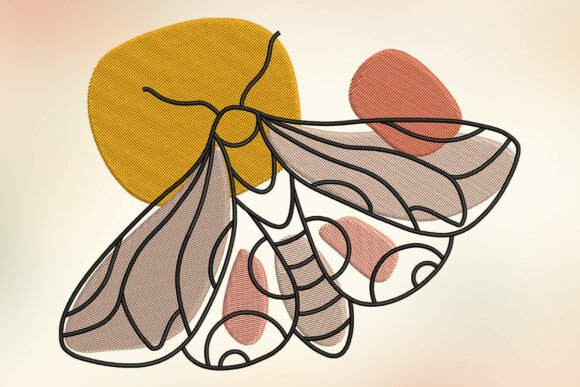
Boho Butterfly Embroidery Design Review
In the competitive world of small business branding, every detail matters. As an experienced embroidery designer who has reviewed thousands of digital files for clients ranging from boutique bakeries to creative studios, I look for more than just aesthetic appeal. I look for stitch quality, commercial viability, and brand alignment. Today, I am reviewing the Boho Butterfly Embroidery Design, a file marketed as unique, modern, and optimized for a quick, smooth stitch-out. This review explores how this design performs when applied to real-world merchandise, from embroidered patches to branded tote bags.
First Impressions: Visual Personality and Brand Fit
The title "Boho Butterfly" immediately suggests a specific aesthetic: free-spirited, organic, and elegant. Based on the description highlighting its manual drafting and modern feel, this design likely bridges the gap between rustic charm and contemporary minimalism. For small business owners, this is a crucial distinction. A purely ornate design can feel cluttered on small items, while a minimalist one might lack character. The boho style typically offers a balanced approach—soft curves and natural motifs that feel handmade yet polished.
When evaluating the visual personality, this design feels friendly and premium simultaneously. It avoids the rigid geometry of corporate logos, making it ideal for brands that want to emphasize craftsmanship and authenticity. Whether you are running a florist shop, a handmade jewelry brand, or a cozy café, the butterfly motif adds a touch of whimsy without sacrificing professionalism. It signals to customers that your brand values artistry and attention to detail.
Real-World Business Applications
The true test of any machine embroidery design is its versatility across different product categories. Here is how the Boho Butterfly Embroidery Design translates into actual revenue-generating assets:
- Embroidered Patches: This design excels as a standalone patch. The clean lines and modern structure allow it to hold up well even when cut out and backed with iron-on adhesive. Small businesses often use these patches to add a signature mark to denim jackets, beanies, or plain canvas totes, creating a sense of community and brand loyalty.
- Apparel Accents: For custom apparel, this design works beautifully as a chest logo accent or a sleeve detail. On work shirts or aprons, a subtle butterfly placement can elevate a utilitarian garment into a fashion statement. It is particularly effective on light-colored fabrics where the thread colors can pop against the background.
- Caps and Headwear: Cap embroidery requires designs that conform to curved surfaces. If the Boho Butterfly Embroidery Design maintains its integrity at smaller scales, it makes for an excellent cap front design. It adds a feminine or artistic flair to baseball caps, snapbacks, and bucket hats, which are popular items for event merch and promotional giveaways.
- Tote Bags and Aprons: These are staple items for Etsy sellers and craft business assets. A large-scale application on a canvas tote bag allows the intricate details of the butterfly wings to shine. Similarly, on kitchen aprons for bakers or florists, the design reinforces a theme of nature and care, enhancing the perceived value of the handmade product.
- Product Packaging and Labels: Beyond apparel, this embroidery file can be used on fabric labels sewn into garments or gift tags attached to packaged goods. It serves as a tactile brand identity marker, reminding customers of the personal touch behind their purchase.
Strategic Placement and Limitations
While the design is versatile, there are specific scenarios where caution is advised. Not every surface is suitable for every level of detail.
Small Patch Sizes: When digitizing or stitching at very small sizes (under 2 inches), intricate details may merge together. If the butterfly features fine veins in the wings or delicate outlines, these elements might become muddy. Always inspect the spacing closely when scaling down.
Curved Surfaces: While caps are great, highly curved areas like the crown of a fitted hat can distort the symmetry of the design. Ensure the digitizer has accounted for hoop distortion, or consider placing the design on a flat panel before attaching it to the cap.
Dark Uniforms and Fabric Texture: Thread color contrast is critical. On dark uniforms or heavily textured fabrics like thick fleece or rough burlap, lighter thread colors may get lost. Conversely, dark threads on light fabric require sufficient underlay to prevent puckering. Test your thread colors thoroughly against your final fabric choice.
Frequent Washing: For items like aprons or staff uniforms that undergo frequent laundering, high stitch density is beneficial for durability. However, excessive density can make the fabric stiff. Evaluate whether the design’s coverage aligns with the wear-and-tear expectations of the end-user.
Impact on Brand Identity and Customer Trust
Investing in high-quality commercial embroidery does more than decorate; it builds trust. A crisp, professionally stitched Boho Butterfly Embroidery Design communicates that your business cares about quality. Customers associate neat stitches with reliable service and premium products. Inconsistent stitching, loose threads, or misaligned elements can inadvertently signal negligence.
This design contributes to visual consistency across your design assets. By using a cohesive aesthetic across your merchandise, website, and social media mockups, you create a recognizable brand identity. The boho style, in particular, resonates with audiences seeking authenticity and connection, fostering deeper engagement with your handmade brand.
Practical Designer Notes for Production
Before committing to mass production, follow these essential steps to ensure success:
- Test in Black and White: Convert the design to monochrome to check contrast and readability. This helps identify if the design relies too heavily on color gradients rather than shape.
- Check Small Scale Legibility: Stitch the design at its smallest intended size. Can you still see the butterfly clearly? Is the text (if any) readable?
- Review Thread Color Contrast: Select threads that offer strong contrast against your target fabric. Avoid low-contrast combinations that fade into the material.
- Inspect Spacing and Density: Look for areas where stitches might overlap excessively or leave gaps. Proper spacing ensures a smooth finish and prevents needle breakage.
- Confirm Hoop Size: Ensure the design fits within your standard hoops. Large designs may require multi-hoop sequences, which increase production time.
- Test on Real Fabric: Never rely solely on digital previews. Stitch the digital embroidery file on the actual fabric type you plan to sell. Fabric stretch and texture significantly affect the final outcome.
- Use Proper Stabilizer: Choose the correct stabilizer (cut-away, tear-away, or water-soluble) based on the fabric weight and design complexity. This prevents puckering and ensures longevity.
- Create a Printable Mockup: Before producing physical samples, generate a realistic printable mockup for client approval or marketing materials. This saves time and resources.
- Compare with Other Assets: Place the design next to other elements of your brand palette. Does it complement your existing logo and typography?
- Confirm Commercial Licensing: Most importantly, verify the licensing terms. Ensure you have the right to use this embroidery file for commercial purposes, including selling finished goods. Do not assume permission; read the license agreement carefully.
Final Verdict
The Boho Butterfly Embroidery Design offers a compelling option for small business owners looking to enhance their merchandise with a touch of modern elegance. Its manual drafting promises a smooth stitch-out, reducing production headaches. By understanding its strengths in patches, apparel, and accessories, and by adhering to best practices in testing and licensing, you can leverage this design to boost your brand’s professional image and customer appeal. Remember to always validate the technical specifications, such as stitch count and file format, directly with the provider to ensure seamless integration into your production workflow.