Heartbeat Heart Digital Embroidery Review
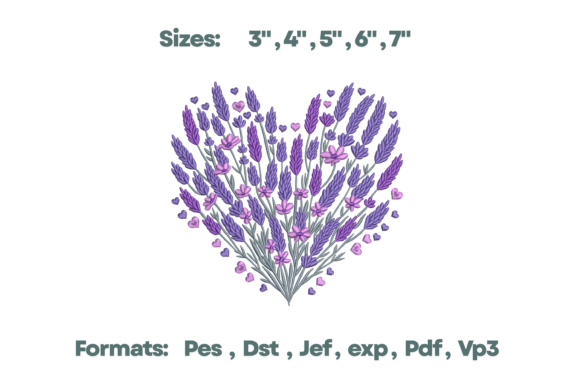
As an experienced embroidery designer who spends countless weekends prepping booths for local craft fairs and managing a busy handmade shop, I know that the difference between a design that sits on a shelf and one that sells out in minutes often comes down to one thing: market readiness. Today, I am putting my critical eye on the Heartbeat Heart Digital Embroidery design. The description highlights a "Love Pulse Line" motif with romantic stitching, ideal for Valentine's Day, but does it truly hold up when translated into physical products? After mentally mapping this design onto various items like tote bags, aprons, and tea towels, here is my professional assessment of its potential.
The First Impression: Modern Romance Meets Craft Fair Appeal
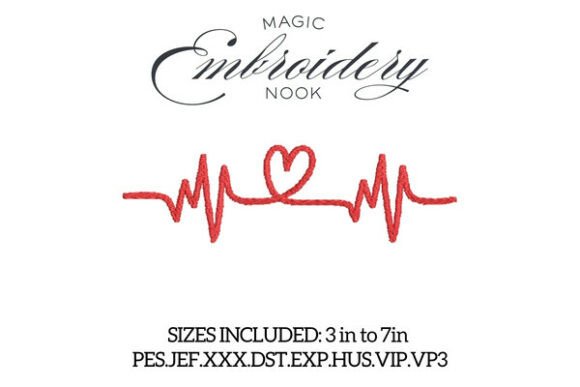
When you first glance at the title and description of the Heartbeat Heart Digital Embroidery, it immediately signals a blend of modern minimalism and classic romance. It isn't just a generic heart; the mention of a "pulse line" suggests a dynamic element that could work beautifully as a focal point or a subtle accent. For a booth display, visual impact is everything. This design feels versatile enough to fit a farmhouse aesthetic if stitched in natural cottons, yet it retains a clean, boutique look suitable for urban markets.
In a crowded marketplace, customers scan quickly. A design that conveys emotion through simple lines, like a heartbeat pulse, stands out against more cluttered traditional patterns. It strikes a balance between cute and sophisticated, making it an excellent candidate for a wide range of handmade products. Whether you are targeting Etsy shoppers looking for unique gifts or walk-in customers at a weekend fair, the emotional hook of a "heartbeat" paired with a heart shape creates an immediate connection.
Product Versatility: Where Does This Design Shine?
The true test of any digital embroidery file is how well it translates across different mediums. Let's break down where the Heartbeat Heart Digital Embroidery would perform best for your inventory:
- Tote Bags and Market Bags: These are the bread and butter of craft fair sales. A single, well-placed heartbeat heart on the side pocket of a canvas tote bag offers a perfect spot for a small accent. It photographs incredibly well for online listings, adding a pop of color without overwhelming the bag's utility.
- Apron Embroidery and Tea Towels: Kitchen items are high-volume sellers during the Valentine's season. On a linen tea towel, this design can serve as a charming border or a centered focal point. The "pulse" line adds movement that looks great against textured fabric, drawing the eye to the kitchen counter.
- Caps and Embroidered Patches: If the stitch density allows, this design could be adapted for a cap front panel. Alternatively, converting it into an embroidered patch allows you to sell it as a standalone accessory or apply it to beanies and jackets, expanding your product line beyond soft goods.
- Pillow Covers and Small Pouches: For home decor, this design works wonderfully on square pillow covers, perhaps repeated in a pattern. Small pouches for jewelry or cosmetics are also prime candidates, offering a premium feel that justifies a higher price point.
For an Etsy seller or boutique maker, the ability to use this machine embroidery design across such diverse categories means you can create a cohesive brand identity. You can market a matching set—a tote bag, a tea towel, and a pillow—unified by the same embroidery file.
Production Practicality and Batch Selling
From a production standpoint, efficiency is key to profitability. When evaluating the Heartbeat Heart Digital Embroidery, I need to consider how easily it can be reproduced. Is it simple enough to stitch rapidly for batch production, or does it require tedious hooping and repositioning?
If the design features clean lines and manageable stitch counts, it is highly repeatable. This is crucial for creating a stack of identical handmade products for a craft fair table. However, if the "pulse line" involves complex underlay or excessive satin stitches, it might slow down your machine speed. Before committing to a large run, you must ensure the design files are optimized for your specific hoop size. Always verify the hoop size requirements before purchasing, as a design meant for a 4x4 hoop will not fit on a standard cap frame without resizing, which can ruin the aspect ratio.
Photography for online listings is another practical consideration. Designs with clear contrast and defined edges photograph better than those with loose fill stitches that may look messy in low light. The Heartbeat Heart Digital Embroidery should ideally have a strong silhouette that reads clearly even in a thumbnail image on a smartphone screen.
Crucial Use Notes: Avoiding Common Pitfalls
Even the most beautiful design can fail if technical details are overlooked. Here are some critical warnings to keep in mind when working with this digital embroidery file:
- Stitch Density and Fabric Texture: Be cautious with dense stitch areas. If the design packs too many stitches into a small space, it may cause puckering on lightweight fabrics or lose clarity on thick materials like heavy denim or terrycloth towels. Always check the stitch density specifications provided by the creator.
- Small Details and Lettering: If the design includes tiny text or very fine lines, test them carefully. On curved surfaces like caps or small pouches, these details can blur or disappear entirely. Ensure the design remains legible at your intended size.
- Thread Contrast: The visual appeal of a "pulse line" relies heavily on thread choice. Using low-contrast colors (like red on dark pink) can make the design invisible. Stick to high-contrast combinations to ensure the heartbeat effect pops.
- Dark Fabrics: Embroidering on dark fabrics requires a stabilizer strategy that prevents show-through. If the design has sparse coverage, you may need to add extra layers of backing or use a tear-away stabilizer to maintain structure.
Designer's Checklist for Success
Before you start printing mockups or setting up your booth, follow these essential steps to ensure your commercial embroidery projects succeed:
- Test on Scrap Fabric: Never go straight to your final product. Stitch the Heartbeat Heart Digital Embroidery on a scrap piece of the exact fabric you plan to use to check for tension issues and puckering.
- Review Spacing and Stabilizer: Confirm the correct stabilizer type (cut-away vs. tear-away) based on the fabric weight. Ensure the spacing allows for proper hooping without cutting off parts of the design.
- Create Real Mockups: Don't rely solely on digital renderings. Create at least one real physical sample to photograph. Customers trust photos of actual finished products over computer-generated images.
- Check Commercial Licensing: Before selling finished items, double-check the licensing terms included with the design assets. Some files are for personal use only, while others allow for commercial resale. This distinction is vital for protecting your business.
- Compare Fabric Colors: Test the design on multiple fabric colors to see which provides the best visual impact. Sometimes a neutral background makes a colorful design stand out more than a festive one.
The Heartbeat Heart Digital Embroidery holds significant promise for the Valentine's Day season and beyond. Its romantic yet modern aesthetic fits perfectly into the current trend of heartfelt, handmade gifts. By paying close attention to production details and testing thoroughly, you can transform this embroidery file into a best-selling line of crafter fair products. Whether you are a solo small shop product owner or a larger creative entrepreneur, this design offers the flexibility needed to capture customer attention and drive sales.