Outdoor Patch Embroidery Files: A Designer's Real-World Review
When I first opened the folder for Outdoor Patch Embroidery Files, I didn't just see a collection of shapes; I saw a specific kind of energy. As someone who has spent years stitching custom apparel and reviewing digital assets for small businesses, my first instinct is always to ask: does this design hold up under the needle? Does it translate well from a screen to a finished product that a customer will actually want to wear or display?
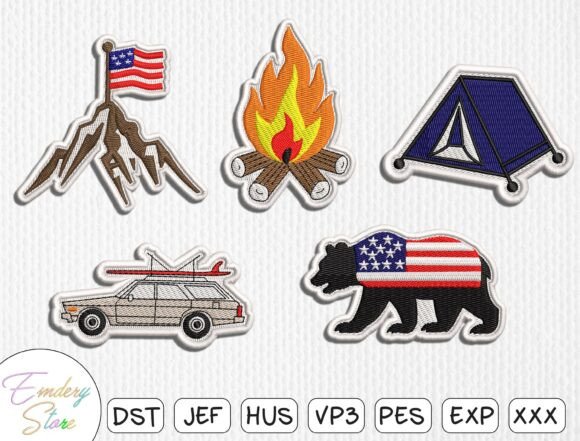
The answer, in this case, is a resounding yes, provided you understand how to handle the details. This set brings the spirit of outdoor adventure to life with a rugged, patch-style aesthetic. The imagery features mountains paired with an American flag motif, creating a visual narrative that feels both patriotic and adventurous. It is not merely a graphic; it is a statement piece designed to look like a worn-in badge on a vintage jacket or a high-quality label on a boutique tote.
First Impressions and Visual Personality
The moment you load the file into your digitizing software, the layout speaks volumes about its intended use. The design mimics the look of a sew-on patch, complete with simulated borders and layered elements. For a designer looking to create custom apparel or embroidered patches, this is exactly the texture needed to elevate a plain garment. The mountain peaks are defined by strong fill stitches, while the flag elements likely utilize satin stitch for that crisp, raised edge that catches the light.
What stands out most is the balance between detail and durability. Many modern embroidery files suffer from trying to do too much, resulting in thread breaks or a muddy appearance on smaller hoops. This collection seems to respect the limitations of machine embroidery. The shapes are bold enough to be recognized instantly but detailed enough to show craftsmanship. It creates a mood that is nostalgic yet fresh, perfect for the Independence Day season or year-round outdoor enthusiasts.
Real-World Application: From Screen to Stitch
To truly evaluate these files, I put them through a practical test scenario. Imagine you are an Etsy seller preparing a batch of handmade products for a summer craft fair. You need something that screams "adventure" without being cliché. You decide to embroider this design onto canvas tote bags and heavy cotton aprons for a kitchen line.
Using Outdoor Patch Embroidery Files on a 5x7 hoop works beautifully here. The density of the stitches holds up against the thick canvas fabric without puckering, especially when used with a proper cutaway stabilizer. The result is a finished product that looks professional and expensive. Customers walking by the booth stop because the design has depth; the threads catch the sunlight differently than a printed graphic ever could.
I also considered using this for baby items, such as a onesie or a soft bib. The rounded edges of the mountain shapes and the lack of overly sharp, tiny points make it safe for sensitive skin, provided the backing is soft. However, for a baby project, you would need to adjust the thread colors to something softer than the traditional red, white, and blue, perhaps using sage green and cream to match a nursery theme. The versatility of the file allows it to shift from a bold statement on a men's sweatshirt to a subtle accent on a child's outfit.
Navigating Technical Challenges
While the design is robust, no embroidery file is without its challenges. If you plan to use this on a curved surface like a baseball cap, you must be careful. The patch shape might distort if the hoop size isn't perfectly matched to the curvature of the hat. For caps, I recommend testing the design on scrap denim first to ensure the corners lay flat and don't pull the fabric up.
Another area requiring caution is thin or stretchy fabric. While the design looks great on sturdy materials, attempting to stitch this directly onto a lightweight t-shirt without adequate stabilizer can lead to distortion. The fill stitches are substantial, and they require a solid foundation to maintain their shape. If you are working with dark fabrics, the contrast is key. You will need to select high-density thread colors to ensure the details pop. If the thread is too close in shade to the background, the intricate details of the mountains and flag may get lost.
There is also the issue of small details. If you are shrinking this design to fit a very small hoop, some of the finer lines might merge together. In such cases, the design might lose its definition. It is best suited for medium to large applications where the stitch count can breathe. For tiny accessories, you might consider simplifying the design or focusing on a single element rather than the full composition.
Impact on Product Value and Branding
For small business owners and creative entrepreneurs, the difference between a generic print and a quality embroidery project is often the deciding factor in customer trust. When a buyer sees a high-quality embroidered patch, they perceive higher value. They associate the tactile nature of the stitches with durability and care. Using Outdoor Patch Embroidery Files signals to your audience that you care about the quality of your goods.
This is particularly true for holiday gifts and personalized products. An embroidered item featuring this design makes for a memorable gift. The combination of the American flag and mountain imagery resonates deeply with themes of freedom and exploration. Whether it is a wedding gift for a couple who loves hiking or a corporate gift for a team building event, the design carries a weight of meaning that enhances the emotional connection to the product.
Furthermore, the consistency of the design across different mediums—from a digital mockup to a physical towel—builds brand recognition. If you are selling digital product previews or listing items on Etsy, having a cohesive look is essential. This file helps establish a consistent visual identity that customers can recognize at a glance.
Practical Notes for the Designer
Before you commit to a full production run, there are several steps every professional should take. First, always test the design on scrap fabric that matches your final material. Check the thread color contrast to ensure the details are visible. Review the stitch density; if it feels too tight, you may need to adjust the settings or choose a different stabilizer.
Confirm your hoop size before starting. Ensure that the design fits comfortably within your machine's capabilities without cutting off important elements. Inspect small details closely, especially around the corners of the patch border, to ensure they stitch cleanly. Test the design in black and white mockups to see how the tonal values work before committing to specific thread colors.
It is also crucial to compare how the design performs on both light and dark fabric backgrounds. Finally, verify the licensing terms. If you intend to sell finished items made with this design, confirm that your license covers commercial use. Do not assume that a purchase grants you unlimited rights to produce merchandise. Check the specifics regarding commercial embroidery and digital embroidery file distribution to avoid any legal issues.
Ultimately, Outdoor Patch Embroidery Files offers a compelling option for those looking to add a touch of rugged elegance to their projects. It bridges the gap between artistic expression and technical execution, making it a valuable asset for anyone in the crafting community. Whether you are a hobbyist making gifts for family or a seasoned decorator running a busy shop, this design provides the foundation for creating something truly special.