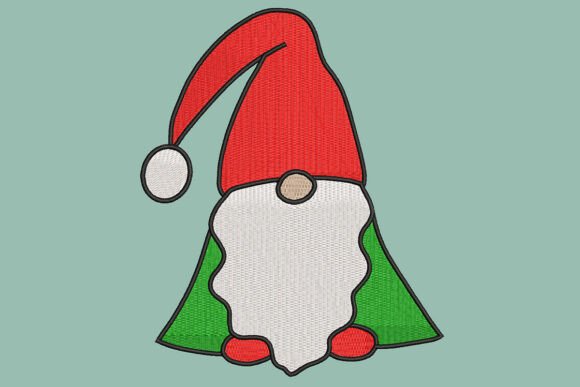
Shy Gnome Embroidery Design Review
As a designer who spends more time than I care to admit staring at stitch lines and debating thread tension, I don’t just look for pretty pictures when I’m scouting new machine embroidery design files. I look for viability. I look for designs that translate well from the screen to the fabric, that hold up under the scrutiny of a finished product, and that bring a specific emotional resonance to the wearer or the home. When I first pulled up the Shy Gnome Embroidery Design, my immediate reaction was one of quiet appreciation. It isn’t shouting for attention with loud colors or chaotic layouts; instead, it offers a subtle, modern charm that feels perfectly suited for today’s minimalist yet cozy aesthetic.
The First Impression: Mood and Visual Personality
The moment you load this embroidery file into your digitizing software, the layout speaks volumes. The title "Shy Gnome" suggests a character that is modest, perhaps hiding slightly or peeking out with gentle curiosity. Visually, the design captures this perfectly. It avoids the cluttered, overly detailed look of traditional folk art in favor of clean lines and a streamlined silhouette. This is a crucial distinction for any Etsy seller or small shop product creator looking to stand out in a saturated market.
In an era where buyers are gravitating toward "quiet luxury" and understated elegance in their handmade goods, this design fits right in. It creates a mood of warmth and whimsy without being childish. The visual personality is approachable but sophisticated enough to be placed on high-end custom apparel or boutique home decor. It feels like a design that belongs in a curated winter collection, bringing a touch of narrative to a simple garment or accessory. The balance of negative space and filled areas gives it a breathable quality, which immediately signals to me that the stitching process will likely be smooth and less prone to puckering—a major plus for production efficiency.
Real-World Application: From Screen to Stitch
Let’s talk about how this embroidery project performs in the wild. I recently considered using this design for a batch of personalized holiday gifts, specifically focusing on embroidered patches and aprons for a local craft fair. The versatility of the Shy Gnome Embroidery Design became apparent quickly. Its compact nature makes it ideal for placement on the chest of a sweatshirt or centered on a kitchen towel, but it also has enough character to serve as the focal point of a larger composition.
Imagine a soft, oatmeal-colored organic cotton tote bag. Placing this gnome design in a muted earth tone thread creates a harmonious, tonal look that appeals to the modern crafter. Alternatively, on a navy blue cap, a white or cream outline with subtle shading could pop beautifully. The design’s adaptability extends to baby embroidery projects as well. A onesie or a nursery wall hanging featuring this gentle character would resonate deeply with parents looking for unique, non-generic decor. It bridges the gap between a cute novelty item and a timeless keepsake.
For the commercial embroidery professional, this design offers a low-risk, high-reward option. Because the aesthetic is broad—appealing to both children and adults who enjoy cottage-core or rustic vibes—the target audience is wider than niche-specific characters. This means higher potential sales volume for digital product sellers and physical merchandise creators alike. It works seamlessly as part of a seasonal bundle, complementing other winter-themed assets while standing strong on its own merits.
Where Caution Is Required
No design is perfect for every surface, and honest review demands we discuss limitations. While the Shy Gnome Embroidery Design is generally robust, there are specific scenarios where you need to exercise caution. If you plan to embroider this on highly textured fabrics, such as heavy tweed or chunky knits, the fine details may get lost. The stitches might not lay flat against the uneven surface, leading to a muddy appearance.
Similarly, if you are working with stretchy fabrics like thin jersey or spandex blends, you must ensure proper stabilizer usage. Without adequate support, the stitch density of the fill areas could distort the fabric grain, causing the gnome’s shape to warp after washing. Dark fabrics present another consideration; if the design relies heavily on light thread for definition, contrast issues may arise unless you use a high-density underlay or a contrasting background applique. Always test on scrap material first to see how the thread colors interact with your specific fabric choice.
Technical Considerations for the Discerning Designer
When evaluating any handmade product for sale, the integrity of the stitch work is paramount. Customers can spot poor digitization instantly. They know when a satin stitch is too wide, when a fill stitch lacks direction, or when a running stitch looks sparse and unfinished. Based on the structure of this design, it appears to prioritize clarity over excessive complexity. This is a smart move. Complex designs often require more thread changes and longer machine times, driving up costs for the producer.
However, because exact technical specifications like hoop size limits or precise stitch counts are not provided in the initial description, it is imperative that you verify these details before committing to large-scale production. Check the recommended hoop size to ensure it fits your workflow. Inspect the small details closely; if there are tiny elements intended to represent facial features or accessories, make sure they are large enough to be stitched clearly on your specific machine. If the details are too minute, they may disappear entirely or require hand-finishing, which adds labor time.
Furthermore, consider the end-use of the final product. If you are creating items that will undergo frequent washing, such as aprons or baby clothes, the durability of the design is key. Designs with loose ends or minimal anchoring can fray over time. Ensure that the digitizer has included sufficient trim points and secure starts and stops. For craft business owners, this attention to detail protects your reputation and reduces returns due to quality issues.
Final Verdict: A Solid Addition to Your Library
The Shy Gnome Embroidery Design is a thoughtful, well-executed piece that understands its audience. It doesn’t try to be everything to everyone; instead, it embraces a specific, cozy aesthetic that is currently in high demand. For the creative entrepreneur looking to add a touch of whimsy to their design assets, this file offers excellent value. It is versatile enough for personalized gifts, effective for holiday embroidery campaigns, and sturdy enough for daily-wear custom apparel.
My advice is to treat this as a foundational element in your collection. Use it to create mockups for social media marketing, test it on various fabric swatches to build a portfolio of examples, and consider how it pairs with complementary text or icons. Whether you are a seasoned pro or just starting your journey in machine embroidery, this design provides a reliable canvas for creativity. Just remember to respect the technical boundaries of your materials, test thoroughly, and let the gentle charm of the gnome do the talking. In a world of noisy digital content, sometimes the shyest designs make the loudest statements.