Hope Flower Embroidery Design Review
As a designer who spends more time staring at stitch density charts and fabric swatches than I care to admit, I have learned to trust my gut when it comes to selecting digital assets for real-world production. It is one thing to look at a pristine JPEG preview on a white background; it is another entirely to visualize how that design will hold up after twenty wash cycles, stretch across the curve of a cap, or sit quietly but proudly on a custom baby onesie. This is why I approach every new embroidery file with a critical eye, looking for practicality, aesthetic longevity, and commercial viability.
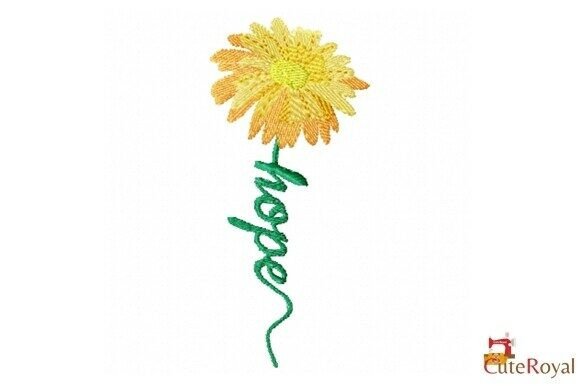
Today, I am evaluating the Hope Flower Embroidery Design, a piece categorized under Single Flowers that promises a blend of sentiment and botanical beauty. The description highlights a charming floral arrangement where the stem cleverly spells out "hope," serving as a symbol of renewal and optimism. For spring projects and heartfelt creations, this concept is undeniably strong. But does it translate well into a tangible handmade product? Let’s dive into the details.
First Impressions: Mood and Visual Personality
The immediate appeal of the Hope Flower design lies in its narrative structure. It is not merely a cluster of petals; it is a sentence rendered in thread. The integration of typography within the organic flow of the stem creates a visual rhythm that feels both modern and timeless. When I first reviewed the vector mockup, the layout felt balanced—neither too heavy nor too sparse. This balance is crucial for any machine embroidery design intended for apparel or home decor, as it ensures the eye travels naturally across the piece without getting lost in clutter.
The mood is distinctly uplifting. In a market saturated with generic patterns, designs that carry emotional weight tend to perform better with consumers. This piece taps into the universal desire for positivity, making it an excellent candidate for personalized gift markets. Whether it is intended for a graduation keepsake, a recovery gift, or a simple spring refresh, the symbolism adds value beyond the physical stitching. The aesthetic leans toward delicate and refined, which suggests it will pair beautifully with soft fabrics and minimalist branding.
Real-World Application: Where Does It Shine?
In my experience, the versatility of a design is tested most rigorously when applied to different substrates. Here is how I envision the Hope Flower Embroidery Design performing in specific scenarios:
- Custom Apparel and Sweatshirt Embroidery: Placed on the chest of a high-quality cotton sweatshirt, this design would offer a subtle yet meaningful statement. The floral elements soften the ruggedness of knit fabrics, while the structured lettering provides a focal point. It works particularly well for spring projects or casual streetwear brands aiming for a wholesome vibe.
- Baby Embroidery and Nursery Decor: The gentle nature of the flower motif makes it ideal for baby clothes, blankets, and nursery wall art. Parents often seek items that convey warmth and love, and the word "hope" resonates deeply in this context. On a tiny hat or a muslin blanket, the design would appear tender and thoughtful.
- Tote Bag Design and Aprons: For crafters and small business owners, adding this design to canvas tote bags or linen aprons can elevate a basic item into a boutique product. The contrast between the sturdy fabric and the intricate floral details creates a pleasing textural interplay. It is also a great fit for kitchen towels, adding a touch of elegance to everyday utility.
- Embroidered Patch and Accessories: If digitized correctly, this design could serve as a standalone patch for denim jackets or backpacks. Alternatively, scaling it down for caps or hair accessories allows for versatile styling options. The single-flower category often lends itself well to these smaller formats because the composition remains legible even at reduced sizes.
Technical Considerations and Stitch Clarity
While the visual concept is strong, the success of any embroidery project hinges on technical execution. When reviewing the Hope Flower design, several factors come into play regarding stitch quality and fabric interaction.
The use of satin stitch for the lettering and potentially the flower outlines requires careful attention to tension. If the thread colors are not chosen with sufficient contrast against the base fabric, the message may become difficult to read. I recommend testing various thread colors to ensure the "hope" text pops. Additionally, the fill stitch areas within the petals must be dense enough to cover the fabric completely but not so dense that they cause puckering, especially on lighter materials.
One aspect to monitor is the stitch density around the curves of the stem. Tight curves can sometimes lead to thread breaks or uneven coverage if the digitization does not account for fabric pull. Using a proper stabilizer is non-negotiable here. For woven fabrics like cotton or linen, cut-away stabilizer provides the necessary support to maintain shape over time. For knits, a tear-away or water-soluble backing might be preferred depending on the desired finish, though stability is key to preventing distortion.
Where to Exercise Caution
No design is universally perfect, and there are certain contexts where the Hope Flower Embroidery Design may require adjustments or should be used sparingly.
- Small Hoop Sizes: Attempting to stitch this design in a very small hoop (under 4x4 inches) risks losing detail. The fine lines of the stem and the texture of the flowers may merge into an indistinct blob. Always confirm the minimum hoop size required to preserve clarity.
- Textured and Stretchy Fabrics: While the design looks beautiful on smooth surfaces, textured fabrics like bouclé or heavily brushed fleece can obscure the finer details. Similarly, highly stretchy synthetic blends may distort the geometric precision of the lettering unless stabilized exceptionally well.
- Dense Stitch Areas: If the design includes large blocks of solid color, it may feel stiff after washing. For items that need to remain soft, such as baby blankets or t-shirts, ensuring the fill stitches are optimized for breathability and flexibility is important.
- Dark Fabrics: On dark backgrounds, light-colored threads may lack vibrancy. Conversely, dark threads on black fabric can disappear entirely. Careful selection of thread colors is essential to maintain the design's impact.
Final Verdict for Designers and Sellers
The Hope Flower Embroidery Design is a compelling asset for anyone looking to add a touch of sentimentality to their collection. Its strength lies in its dual nature as both a decorative floral element and a meaningful typographic statement. For Etsy sellers, craft business owners, and digital product sellers, this design offers multiple revenue streams—from physical goods like custom apparel and tote bag design products to digital mockups and printable assets.
However, professional results demand preparation. Before committing to a full production run, I strongly advise testing the design on scrap fabric. Check the stitch density, inspect the small details for clarity, and evaluate how the design holds up after a simulated wash cycle. Comparing the result in black and white mockups can also help assess the contrast and readability independently of color distractions.
Ultimately, the Hope Flower Embroidery Design is more than just a pretty picture; it is a tool for connection. When executed with care, it has the potential to become a cherished part of someone’s wardrobe or home, carrying a message of optimism long after the initial excitement fades. For designers who prioritize emotional resonance alongside technical precision, this is a worthy addition to your library of design assets.