Umbel Flower Embroidery Design Review
If you are preparing for the upcoming weekend craft fair season, you know that the difference between a design that gathers dust and one that sells out by noon often comes down to visual clarity and emotional appeal. As an embroidery designer who has spent years testing patterns on everything from stiff canvas to delicate muslin, I recently reviewed the Umbel Flower Embroidery Design. This piece is categorized under Single Flowers and falls squarely into the Embroidery product type, but its potential extends far beyond a simple floral accent.
This review is written for the serious maker—the Etsy seller, the boutique owner, and the commercial embroiderer who needs reliable assets to build a profitable inventory. Here is my professional judgment on how this design performs in real-world production scenarios.
First Impressions: Elegance Meets Natural Charm
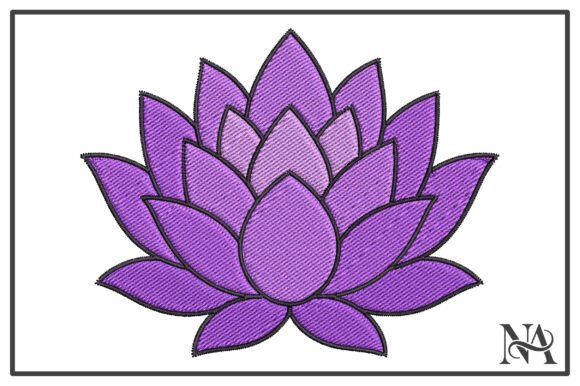
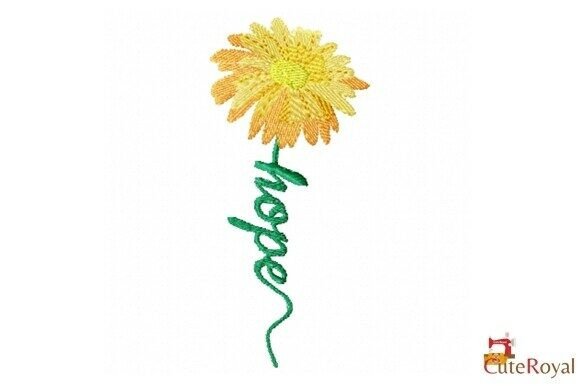
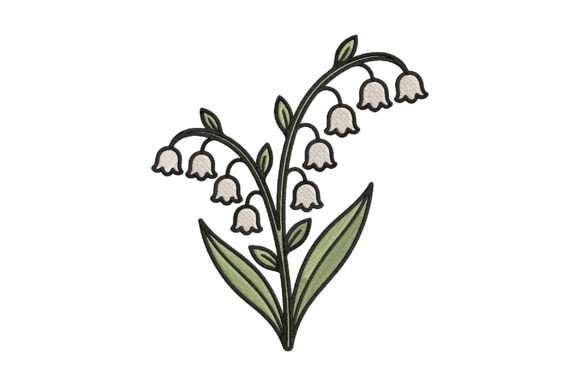
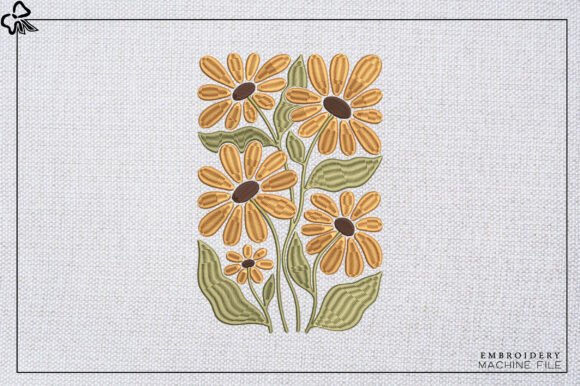
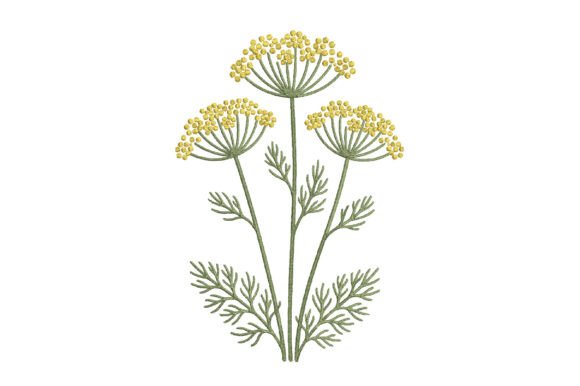
The moment I loaded the file onto my machine, the aesthetic of the Umbel Flower Embroidery Design was immediately apparent. Inspired by wildflowers like Queen Anne’s lace and dill blooms, it captures a soft, organic beauty that resonates deeply with current market trends. It does not feel bold or aggressive; rather, it feels elegant, rustic, and premium.
For a craft fair booth, this distinction is critical. Shoppers are drawn to items that look handcrafted yet polished. The tiny clustered petals create a texture that mimics the delicate nature of actual wildflowers, giving your finished product a high-end feel without requiring complex color changes or excessive digitizing time. It strikes a perfect balance between farmhouse charm and modern minimalism, making it versatile enough for various customer demographics.
Product Application and Sales Potential
When evaluating a digital embroidery file for commercial use, I always ask: "Where will this shine?" The Umbel Flower Embroidery Design is remarkably adaptable. Its structure allows it to function effectively as both a small accent and a larger focal point, depending on how you scale it during production.
Tote Bags and Market Totes
A tote bag design is a staple for any handmade shop. The umbel flower’s airy structure works beautifully on canvas or cotton blends. Because the design features open spaces between the clusters, it breathes well on fabric, avoiding the heavy, suffocating look that can plague dense floral patterns. When placed centrally on a natural-colored tote, it elevates the item from a basic utility bag to a stylish accessory.
Kitchen Textiles: Aprons and Tea Towels
In the realm of home goods, apron embroidery and tea towel embroidery are top sellers. The delicate nature of the umbel flower complements kitchen aesthetics perfectly. On a white or cream tea towel, the design pops with clarity. However, producers must be mindful of fabric texture; heavily textured flour sack towels might obscure the tiniest details of the flower head. For best results, use smooth percale or high-thread-count cottons to ensure every petal is visible.
Caps and Embroidered Patches
Headwear remains a strong category for craft fairs. When adapting this for caps, the curved surface can distort smaller elements. I recommend using the design as a chest patch or a centered cap logo where the curvature is less pronounced. An embroidered patch version of this design would also sell exceptionally well as a standalone item for denim jackets or backpacks, offering customers a way to personalize their existing wardrobe.
Pillow Covers and Home Decor
For pillow covers, the design adds a touch of botanical elegance. It photographs exceptionally well for online listings, particularly in lifestyle shots featuring sunlight and greenery. If you are an Etsy seller creating printable mockups, this design translates beautifully to digital previews, allowing customers to visualize the final product in a bright, airy interior setting.
Production Practicality and Efficiency
Profit margins in the handmade industry depend on speed and consistency. The Umbel Flower Embroidery Design is efficient to produce. It does not require overly intricate satin stitches that can pucker thin fabrics, nor does it demand hours of trimming. This makes it ideal for batch production, whether you are running a single hoop machine or managing a multi-head commercial embroidery setup.
The design’s simplicity aids in quick thread color changes. Typically, these designs rely on a few key thread colors—perhaps whites, creams, and a soft green for stems—to achieve the desired effect. This reduces downtime and keeps your workflow streamlined. Furthermore, because it is a single flower motif, it repeats easily if you choose to create a scattered pattern for larger items like duvet covers or yardage sales.
Careful-Use Notes for Professional Results
While the design is user-friendly, there are technical considerations every embroiderer must address to avoid costly mistakes.
- Stitch Density and Clarity: Pay close attention to the stitch density in the center of the flower cluster. If the density is too high, the fabric may pucker. Conversely, if it is too low, the tiny details may disappear. Always inspect the stitch distribution before full production runs.
- Fabric Compatibility: Avoid using this design on extremely thick fabrics like heavy duck canvas unless you use a cut-away stabilizer. The needle penetration required for the clustered flowers might struggle on dense materials, leading to skipped stitches.
- Size Scaling: Be cautious when shrinking the design. Tiny lettering or very fine petal tips can lose definition if scaled below a certain percentage. Test the smallest size you intend to produce on scrap fabric to ensure legibility.
- Thread Contrast: The design relies on contrast to show depth. Using white thread on a white background will result in a flat, invisible design. Ensure your thread colors provide sufficient contrast against your chosen fabric.
Booth Display and Brand Consistency
From a marketing perspective, the Umbel Flower Embroidery Design strengthens brand identity. It conveys a sense of care, nature, and quality. When displayed at a craft fair, group similar items together—a stack of aprons next to matching tea towels, all featuring the same umbel motif. This repetition creates a cohesive visual wall that draws buyers in.
Customers appreciate consistency. Seeing the same beautiful design applied across different products reinforces the professionalism of your small shop product line. It suggests that you have curated a collection, not just thrown random items on a table. This perception increases the perceived value of each item, potentially allowing for higher price points.
Final Designer Recommendations
Before committing to mass production, I strongly advise taking the following steps:
- Test on Scrap Fabric: Never assume a design will work perfectly until you have stitched it out. Check how the stabilizer interacts with your specific fabric choice.
- Review Spacing: Ensure the hoop size accommodates the design with adequate margin. Crowding the edge of the hoop can lead to uneven tension.
- Create Mockups: Produce at least one real mockup of your most anticipated product, such as a tote bag or apron. Evaluate it in natural light to see how the threads reflect.
- Confirm Licensing: Verify the commercial licensing terms of the digital embroidery file. Ensure you have the right to sell finished products made with this design, especially if you plan to list them on platforms like Etsy or Amazon Handmade.
In conclusion, the Umbel Flower Embroidery Design is a strong addition to any maker’s library. It offers the right blend of aesthetic appeal, production efficiency, and versatility. By paying attention to fabric choices and stabilization techniques, you can turn this simple floral pattern into a standout craft fair product that delights customers and drives sales. Whether you are updating your Etsy listings or stocking a new boutique, this design delivers the handmade quality that discerning buyers seek.